PopotamAll menusCreate my meal plan

Homemade stock from the leftover turkey or capon carcass

The capon or turkey carcass, a few vegetables and three hours of gentle simmering: two liters of golden stock for January soups and risottos.

No ovenWith the kids

Throwing out the capon carcass means throwing out the best part. The bones, skin and bits of meat still clinging to them make a golden, fragrant stock that sets a little in the fridge: nothing like a cube. It's the base for a risotto, a vegetable soup or a chestnut soup.

The secret comes down to two words: brown and simmer. You brown the carcass pieces at the bottom of the pot for color and flavor, then let it barely simmer for three hours, never boiling: that's what keeps it clear.

20minprep
3 h 20cooking
Easylevel

Good to know · Use a carcass that went into the fridge within 2 hours of the meal, and make the stock within 2 days of the feast. Once cooked, cool it quickly and refrigerate within 2 hours: it then keeps 3 days in the fridge or 3 months in the freezer. Always bring it to a boil before using it.
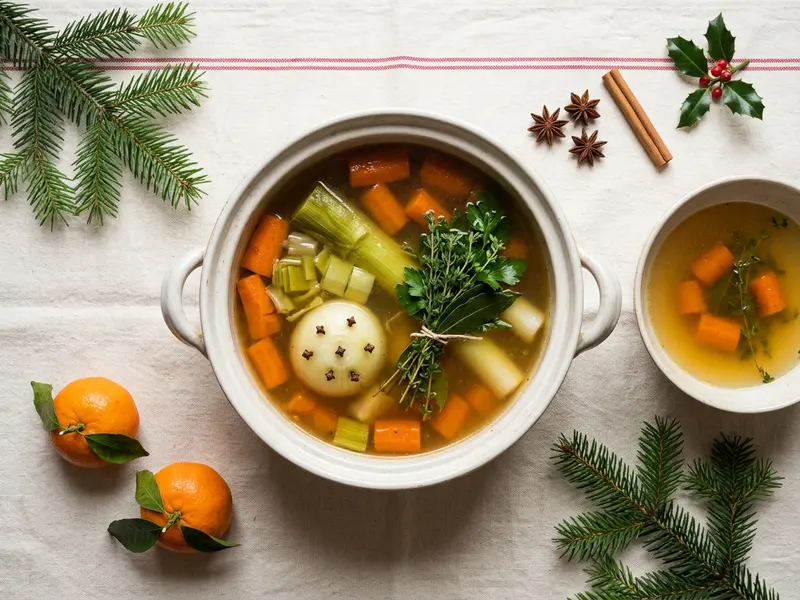
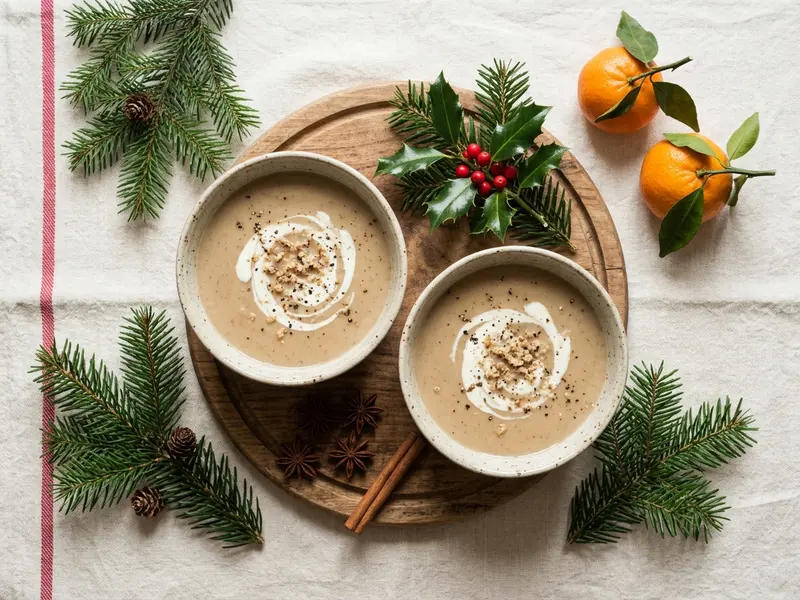
Homemade stock from the leftover turkey or capon carcass: a serving idea
Homemade stock from the leftover turkey or capon carcass

Step-by-step recipe check things off as you go

  1. Break up the carcass

    Cut the carcass into 6 to 8 pieces with the poultry shears, so it fits in the pot and the water covers it. Pull off the big pieces of fat, keep the skin and leftover meat.

  2. Brown

    Heat the oil in the pot over medium-high heat. Brown the carcass pieces for 8 to 10 minutes, turning them now and then, until deep brown in places. Halve the onion without peeling it and set it cut side down on the bottom for 3 minutes, until almost black.

    Popotam's tip · The onion skin and the brown bits stuck to the pot are what give the stock its lovely amber color.
  3. Add cold water

    Pour in the 3 liters of cold water all at once and scrape the bottom with a wooden spoon to loosen the brown bits. Slowly bring to a simmer over medium heat, over 15 to 20 minutes.

    Popotam's tip · Starting cold brings the impurities up slowly, as foam that's easy to lift off: a clear stock guaranteed.
  4. Skim

    As soon as it starts to simmer, a gray foam rises to the surface. Skim it off for about ten minutes, until almost none comes back.

  5. Aromatics and simmering

    Add the carrots and leek cut into big chunks, the celery, the onion studded with the cloves, the garlic, the bouquet garni, the peppercorns and the salt. Turn the heat down: only a few bubbles should break the surface. Simmer for 3 hours with the lid ajar, skimming from time to time. The bones should always stay under water: top up with a little hot water if needed.

    Popotam's tip · Stock at a rolling boil turns cloudy and greasy: the fat mixes into the liquid instead of rising.
  6. Strain

    Lift out the big pieces with the skimmer, then pour the stock through the fine sieve set over a large bowl, without pressing the vegetables. For a very clear stock, line the sieve with a clean damp cloth. You should get about 2 liters. Taste: it's lightly salted on purpose, you'll season whatever you cook with it.

  7. Cool it fast

    Divide the stock straight away into the small tubs, set them in the sink filled with very cold water and ice cubes, and let them cool for 20 to 30 minutes. Close them and refrigerate: everything should be chilled within 2 hours of the end of cooking.

    Popotam's tip · A full pot left to cool on the counter takes hours to come down in temperature: that's exactly what to avoid.
  8. Skim off the fat

    The next day, the fat has set into a yellow layer on top: lift it off with a spoon. Underneath, the stock has often set into a jelly: a sign it's rich, it turns liquid again as it heats.

And there you go, it's ready

Check off every step to celebrate.

The secrets to getting it right what makes all the difference

The secrets

  • Brown the carcass before adding water: without that step, the stock is pale and bland.
  • Simmer, never boil: a few bubbles on the surface, no more, for three hours.
  • Cool in small tubs and refrigerate within 2 hours: lukewarm stock is a breeding ground.

Storing and making ahead

The stock keeps 3 days in the fridge in closed tubs, or 3 months in the freezer. Freeze it in 250 to 500 ml portions (or in an ice-cube tray for sauces) and leave 2 cm of space at the top of jars: it expands as it freezes. Thaw in the fridge or straight in the pan, and bring it to a boil before using.

Variations

  • A piece of ginger, a stalk of lemongrass and a star anise, for an Asian soup base.
  • A handful of button mushrooms and the greens of two more leeks, for a deeper stock.
  • Reduced by half after straining, it becomes a concentrated poultry base for January sauces.

The questions you're asking

How long can you keep a poultry carcass before making stock?

2 days in the fridge at most, wrapped, as long as it went in within 2 hours of the meal. If you don't have time, freeze the carcass and make the stock later, straight from frozen.

Why is my stock cloudy?

It boiled too hard, or the foam wasn't skimmed at the start. It's still perfectly good to cook with. Next time: start in cold water, skim carefully, and keep the heat so low it barely simmers.

My stock set into a jelly, is that normal?

It's actually a very good sign: the skin and cartilage released their gelatin. It turns liquid again within seconds in a hot pan.

recipe by recipe

Build your holiday meal

Add this recipe to your meal, then come back for appetizers, a drink, cookies with coffee: Popotam brings them together, with the shopping for your whole table and the timeline up to dessert. Free, no account.

More ideas for leftovers tasted and approved